
Physical Access Control Systems manage who has access to which areas of your facility. From the front door to the executive bathroom, you control who can enter. Our access control solutions are truly open. So they give you the freedom to mix and match best-of breed hardware and software and to integrate them with other systems, including your surveillance systems. You can use them for everything from basic identification and entry control to advanced access management.
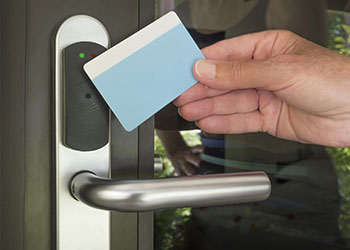 We have the access control system to suit your needs
Network Door Controllers
For basic access management as well as larger and more advanced systems.
Network Door Stations
For audiovisual identification and remote entry control.
Card Readers
Where form meets function. We offer flexible credential options to meet any situation. Clamshell Cards, Printable Cards, Key Rings, and more. There's an option for any situation. We offer both indoor and outdoor card readers. Card readers are used with network door controllers.
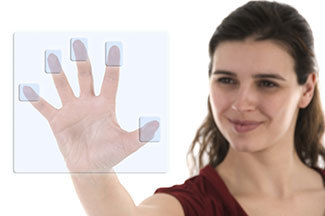
Biometric access control solutions
Face Recognition Readers
The face recognition reader can work with other components to create a complete access control system. Two types of operation modes are supported: face recognition or card.
Fingerprint Readers
The fingerprint reader can work with other components to create a complete access control system. Three types of operation modes are supported: card only, fingerprint only and card plus fingerprint.
Whether you are looking to secure your property with electronic lock systems or biometrics security systems, VSS covers all of your security needs! How may we help you? 877-289-2288